A useful pantry makes dinner easier to begin. You can give beans earthy warmth, add garlic to a quick rub, or bring color to roasted vegetables without buying a new sauce for every meal. Start with a few ingredients whose jobs you understand, then add the flavors your cooking actually needs.
Latin American cooking encompasses many countries, regions and household traditions. No short shopping list can stand in for all of them. The ingredients here are a flexible starting point for Latin-inspired home meals, with clear distinctions between individual spices, herbs and ready-made blends.
Build around the meals you already cook
Choose three dinners before choosing six jars. Perhaps you make beans and rice, chicken with vegetables, and tacos. Garlic powder, cumin and an all-purpose blend may be useful immediately. If you regularly cook tomato sauces or roast potatoes, oregano and paprika might deserve the next spaces on the shelf.
Buy quantities that match your habits. A large container can be practical for a seasoning used several times a week, while a smaller jar may make more sense for an occasional ingredient. The goal is to enjoy the flavor while it is useful, not to finish a shopping list that someone else wrote.
Keep single ingredients and blends mentally separate. A jar of cumin gives you a particular flavor to adjust. The 10.75 oz Total Seasoning formula combines salt, garlic, onion and herbs; ingredients can differ by size. Both can help you cook, but they answer different questions.
| Ingredient | What it brings | Try it with | Check before substituting |
|---|---|---|---|
| Garlic powder | Concentrated garlic flavor without chopping | Beans, rubs, vegetables and dips | Garlic salt also contains salt |
| Ground cumin | Earthy, warm character | Beans, lentils, taco fillings and squash | A blend containing cumin has other flavors too |
| Oregano leaves | Herbal aroma and a peppery edge | Tomato dishes, marinades and vegetables | Different oregano varieties are not identical |
| Paprika | Red color and sweet-pepper flavor | Potatoes, chicken, sauces and rubs | Sweet, hot and smoked versions differ |
| Chili powder blend | Chile flavor with other seasonings | Chili, beans and taco fillings | It may include salt and garlic |
| All-purpose seasoning | Several seasonings in one measured addition | Quick vegetable, rice and protein dishes | Read ingredients before adding extra salt |
Garlic powder for an even savory base
Garlic powder is useful when you want garlic distributed through a dish without the pieces that fresh cloves would add. It can mix into a spice rub, a creamy dip or the coating on vegetables. Its convenience also makes it a sensible backup when there is no fresh garlic in the kitchen.
The current Lawry's Garlic Powder ingredient list names garlic powder alone. That matters when you are adjusting a meal already seasoned with a salty blend: you can add garlic flavor without deliberately adding another salt-containing seasoning. Check the exact jar, since garlic salt and garlic-with-parsley products are different preparations.
McCormick's guidance for this product uses one-quarter teaspoon of garlic powder in place of one medium fresh clove. Treat that as a flavor substitution, not a promise that every recipe will have the same texture or cooking behavior. Fresh garlic contributes moisture and pieces that may matter in a particular dish.
For a simple vegetable coating, mix the powder into oil with your other chosen seasonings before tossing. That is easier to distribute than trying to correct one concentrated patch after it lands on the food. Keep the coating light enough that the vegetables can roast rather than sit in a deep layer of oil.
Cumin adds warmth, not just heat
Cumin brings an earthy, aromatic character that can give beans, lentils and roasted vegetables more depth. It is not a substitute for hot pepper. A dish can taste strongly of cumin without having the sharp heat you associate with chile.
Start with a modest quantity when you are learning how much you enjoy. Stir it through a pot of beans, allow the flavor to spread, and taste before adding more. If you are cooking for someone who finds cumin dominant, you can season a small portion separately instead of committing the whole pot.
“Cumin adds toasty warmth and depth to bean dishes, hummus, lentils, vegetable stews, winter squashes, and root vegetables.”
McCormick's Lawry's Ground Cumin guidance
Ground cumin is convenient for an even distribution. Whole seeds create a different texture and preparation step. Follow a recipe's stated form when it matters, rather than assuming that the same spoonful of whole and ground spice will behave identically.
Oregano brings a different kind of freshness
Dried oregano has a concentrated herbal character that works well in tomato-based dishes, vegetable preparations and marinades. It does not reproduce the delicate texture of a handful of fresh herbs added at the table. Both can belong in the same meal, doing different jobs.
Lawry's Oregano Leaves lists oregano as its ingredient. The product name does not establish the botanical variety, so we would not assume it is Mexican oregano when a recipe specifically calls for that ingredient. Read the recipe carefully and choose a product that identifies the requested variety if its flavor is central to the dish.
For everyday cooking, try oregano with garlic on potatoes or stir it into a tomato sauce. Add it deliberately rather than shaking it into every component. A strong herb note in the main dish may be enough, especially when your salsa or side also contains fresh herbs.

Paprika and chili powder are different tools
Paprika can bring a red color and mild sweet-pepper flavor to a rub or vegetable dish. The current Lawry's Paprika page describes a mellow flavor; its ingredients include paprika and silicon dioxide to help it flow. Do not assume that an ordinary paprika jar has the smoke character of smoked paprika or the heat of a hot variety.
Chili powder often means a seasoning blend in a US pantry. Lawry's Chili Powder contains chili pepper, spices, salt, an anticaking agent and garlic. That makes it different from a single ground chile such as a specifically labeled ancho powder. The difference matters both for flavor and for how much salt you add elsewhere.
If a recipe asks for a particular chile, look for that named ingredient. If it calls for a general chili powder blend, check the product's ingredient list and heat description. One broad name cannot tell you exactly how every bottle will taste.
| Label | What to expect | Useful decision |
|---|---|---|
| Paprika | A pepper-based spice; flavor depends on the variety | Check whether it is sweet, hot or smoked |
| Lawry's Chili Powder | A blend that includes chile, salt and garlic | Account for its salt when seasoning the dish |
| A named ground chile | The character of that particular pepper | Follow the recipe's specified variety where possible |
| Cayenne pepper | A different heat-focused ingredient | Do not replace a large quantity of mild paprika with it |
Use blends when their combination suits the dish
An all-purpose blend can be the most useful jar on a busy evening. The 10.75 oz Total Seasoning formula combines garlic, onion and herbs with salt. Adobo with Pepper offers garlic, black pepper, oregano and turmeric. Carne Asada takes the flavor toward cumin, oregano and red pepper. Choose the combination that fits the meal rather than layering all three.
Individual spices then give you room to adjust. If a bean dish already has enough salt but you want more cumin, add cumin. If roasted vegetables need a little more garlic, choose garlic powder. This approach helps you change the flavor without repeatedly increasing every ingredient in the blend.
Our guide to choosing a weeknight seasoning explores those combinations with meal ideas. You can compare the current seasoning blends alongside the spices and herbs collection.
Keep a few fresh partners close by
Dry seasonings are only one part of the pantry's usefulness. Onions, citrus and fresh herbs can change the final character of a meal. A squeeze of lime on a finished bowl gives a different effect from adding more dry spice to the cooking pot.
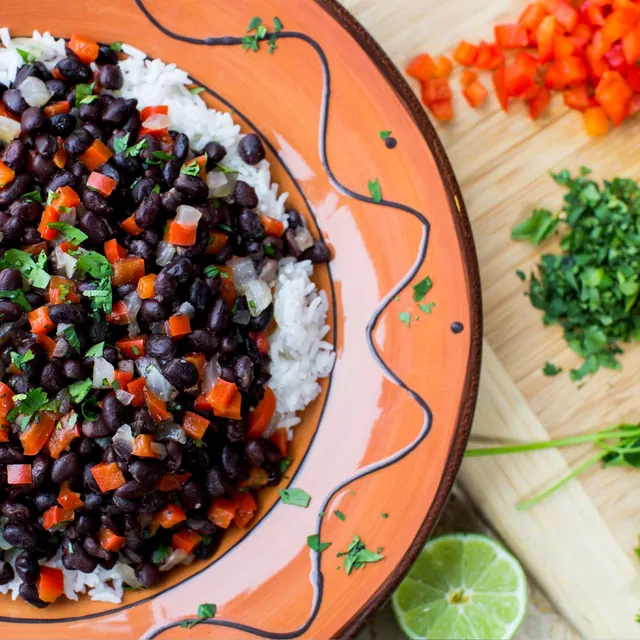
Think in terms of the bite you want. Warm beans with cumin may welcome chopped onion for crunch. Garlic-seasoned chicken might suit a tomato salad. Paprika-coated potatoes can be balanced by a fresh green topping. You do not need a long garnish list; one purposeful addition can be enough.
Keep sauces and finishing ingredients separate when feeding several people. Someone who enjoys a gentle flavor can leave the bowl as it is, while someone else can add a hotter sauce or more lime. The main dish does not have to satisfy every preference through a single, increasingly strong seasoning mixture.
Make the shelf easier to use
Group jars by how you cook: everyday blends together, individual savory spices nearby, and baking spices in their own area. Turn labels outward and keep the most-used products accessible. A cabinet is easier to maintain when you can see what you already own before buying another bottle.
Preserve the original label information if you decant spices. Record the product name, ingredients, best-by information and any allergen details on the new container or in an accessible record. A handsome row of identical jars is less helpful when garlic powder and garlic salt become difficult to distinguish.
Store spices tightly closed in a cool, dry place away from direct sunlight. Avoid a position above the stove or beside steam from the sink. Use dry utensils and measure away from a steaming pot. McCormick's spice storage guidance explains how heat and moisture diminish aroma and encourage clumping.
Review what still earns its space
Check the date and condition of your spices periodically. A jar that has lost much of its aroma may no longer contribute the flavor you expect. Replace suspect or contaminated products, and follow the package's storage advice. Do not use appearance alone as a guarantee of food safety.
Notice the ingredients you reach for often and the ones that stay untouched. Replenish the useful ones in suitable sizes. Before buying an unfamiliar spice, choose a meal that gives it a clear purpose. That turns curiosity into dinner rather than another forgotten container.
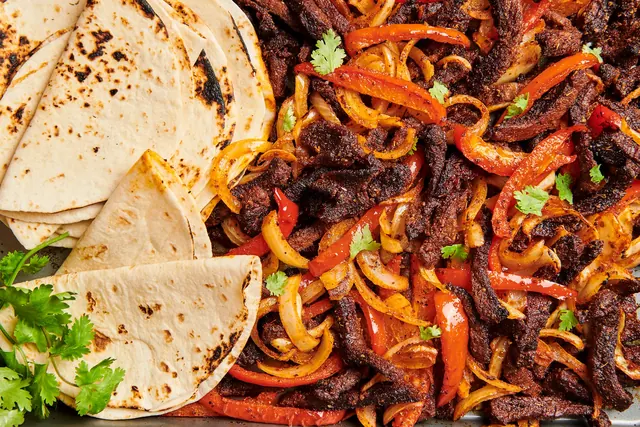
For your next meal, pick one main ingredient, one seasoning direction and one fresh finish. Beans with cumin and chopped onion, vegetables with garlic and herbs, or steak with Carne Asada and lime each provide a manageable starting point. When you are ready for the latter, our carne asada cooking guide walks through the grill, skillet and serving steps.
Prices are checked amounts and may change. Confirm the selected size, seller, delivery availability and final price in the purchase tab before ordering. Local grocery offers depend on your delivery address.